Business
FRC Moves to Adopt Islamic Finance Standardsg

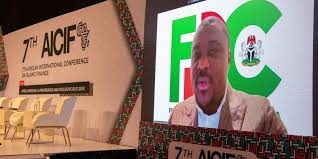
The Financial Reporting Council of Nigeria (FRC) has unveiled plans to incorporate Islamic Finance Services into the country’s financial reporting system by adopting standards from the Accounting and Auditing Organization for Islamic Financial Institutions (AAOIFI).
This announcement was made by FRC’s Executive Secretary/CEO, Dr. Rabiu Olowo, during the 7th Africa Islamic Finance Conference held in Lagos.
Dr. Olowo emphasized that the move aligns with FRC’s mandate to establish, monitor, and enforce financial reporting standards in Nigeria. He noted the rapid growth of Islamic financial services—including Islamic banking, Sukuk bonds, Takaful insurance, and non-interest capital market instruments—has created a need for consistent and globally recognized reporting practices.
“This sector is increasingly contributing to financial inclusion, infrastructure development, and ethical investment options,” Olowo said. “To sustain this momentum, regulators must ensure that financial disclosures are reliable and internationally comparable.”
He added that AAOIFI standards will complement existing IFRS guidelines while offering a tailored framework for the unique instruments used in Islamic finance. “As Nigeria’s financial landscape evolves, our regulatory systems must evolve too. Adopting AAOIFI standards is not just a regulatory upgrade—it’s a strategic move to build trust, improve transparency, and support inclusive economic growth,” he stated.
Vice President Kashim Shettima, represented by Dr. Tope Fasua, Special Adviser on Economic Affairs, praised Islamic finance for its ethical foundation and potential to promote shared prosperity.
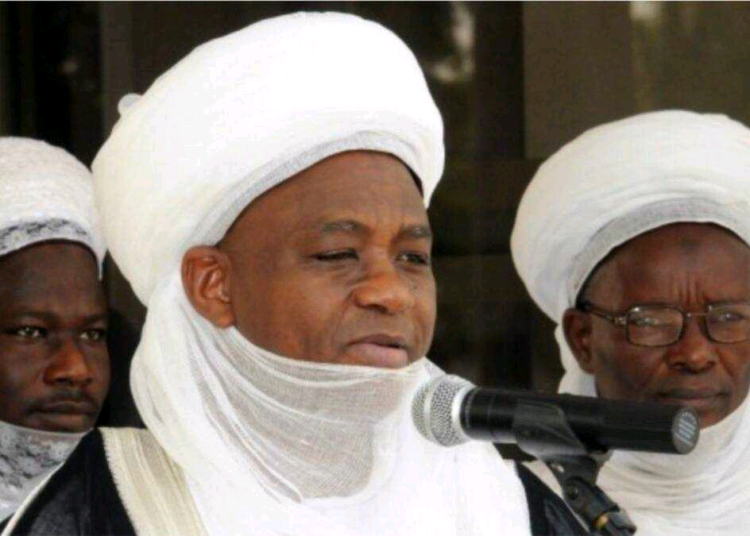
Also speaking at the event, His Royal Highness Muhammadu Sanusi II, former Central Bank Governor and 14th Emir of Kano, expressed optimism about the sector’s trajectory. “We’re witnessing exponential growth in the number of licensed Islamic banks and applicants,” he said.
Sanusi highlighted Islamic finance’s focus on real assets—such as roads, energy infrastructure, and digital networks—as a key driver of long-term value. “If Nigeria had stable electricity, we could easily become a $1 trillion economy,” he remarked. He concluded by affirming that Islamic finance is ideally suited for infrastructure development due to its asset-backed nature and job creation potential.