
Business
Naira Slips to ₦1,374/$ as FX Volatility Persists, Reserves Decline

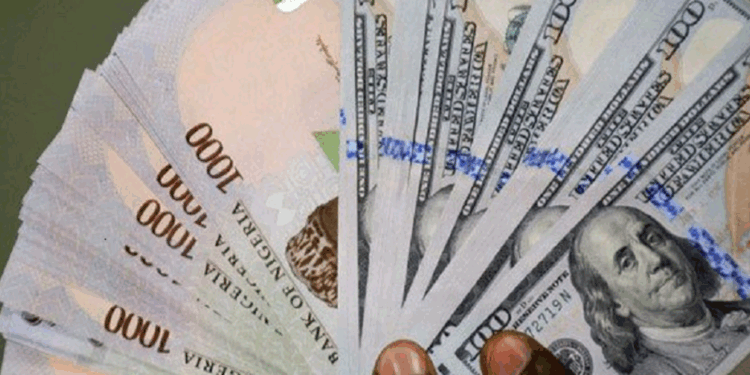
Nigeria’s currency ended the trading week on a weaker note, closing at ₦1,374 to the dollar amid persistent volatility in the foreign exchange market and declining external reserves.
Data from the Central Bank of Nigeria showed fluctuations throughout the week, with the naira trading at ₦1,369/$ on Monday, ₦1,383/$ on Tuesday, ₦1,370.5/$ on Wednesday, before settling at ₦1,374/$ on Thursday. Financial markets were shut on Friday in observance of Workers’ Day.
The latest closing rate reflects a depreciation compared to ₦1,361.5/$ recorded the previous Friday and ₦1,355/$ the week before, highlighting ongoing pressure on the local currency. Within the week, the exchange rate moved within a band of ₦1,369/$ to ₦1,383/$.
Meanwhile, Nigeria’s external reserves declined to $48.36 billion as of April 29, down from $48.51 billion recorded on April 21. Market analysts attributed the drop to sustained central bank interventions and the settlement of external obligations, noting that reserves fell by about $731 million in the first three weeks of April.
Traders also pointed to structural constraints in the FX market, particularly limited access by Bureau De Change operators to official windows, which has tightened dollar supply at the retail end.
Global factors added to the pressure, with the US dollar strengthening on the back of policy expectations from the Federal Reserve, pushing the dollar index to around 98.57 and weighing on emerging market currencies, including the naira.
Despite the current volatility, CBN Governor Olayemi Cardoso expressed confidence in the bank’s ability to manage reserve fluctuations, projecting that reserves could rise to $51 billion by the end of the year as part of ongoing stabilisation efforts.
Other major currencies, including the euro and pound, traded within narrow ranges, while the Japanese yen hovered near the 160/$ mark amid lingering geopolitical uncertainties.