Opinion
Tax Reforms Meant to Improve Nigerians’ Lives, Says Shettima

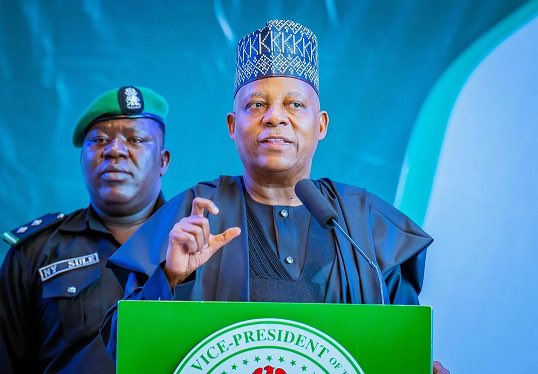
Vice President Kashim Shettima has defended the federal government’s ongoing tax reforms, stating that the policies are designed to improve the lives of citizens rather than worsen economic hardship.
He made the remarks during an interfaith breaking-of-fast gathering held at the State House in Abuja to mark the observances of Ramadan and Lent.
According to the vice president, the reforms are aimed at simplifying the country’s tax system while eliminating multiple levies that have long placed pressure on small businesses and ordinary Nigerians.
He dismissed claims that the reforms would negatively affect low-income earners, insisting that the policies were carefully structured to reduce poverty and improve economic conditions.
Shettima urged government officials to help explain the reforms to citizens and ensure that accurate information reaches the public.
He also pointed to several broader economic policy decisions undertaken by the administration, including foreign exchange reforms and the removal of fuel subsidies, describing them as necessary steps toward stabilising the economy.
According to him, although the subsidy removal was not initially announced during the president’s inaugural address, the government eventually had to act because the system was draining public resources.
The vice president added that the country’s economic situation had begun to stabilise following these reforms.
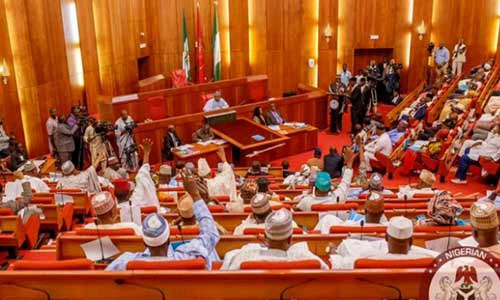
Nigeria’s new tax framework took effect at the start of 2026 after the passage of several reform bills by the National Assembly.
The legislation aims to simplify tax administration, eliminate smaller nuisance taxes and shift a larger portion of the tax burden toward high-income individuals and large corporations.
Under the new framework, lower-income earners benefit from higher income tax thresholds, while some small businesses with lower annual turnover may qualify for exemptions.
Corporate tax has been set at 25 per cent, alongside the introduction of a development levy and a minimum tax for large multinational companies. Essential goods such as food and healthcare services are also exempt from value-added tax.
The reforms also include the restructuring of the country’s tax authority into a central revenue agency responsible for administering the new system.