Business
Experts Highlight Nigeria’s Circular Economy as a Path to Jobs and Revenue

Stakeholders in Nigeria’s waste management sector have urged the government to provide strong support, policy consistency, and increased investment to unlock the country’s waste-to-wealth potential, as discussions continue at the Nigeria Circular Economy Week.
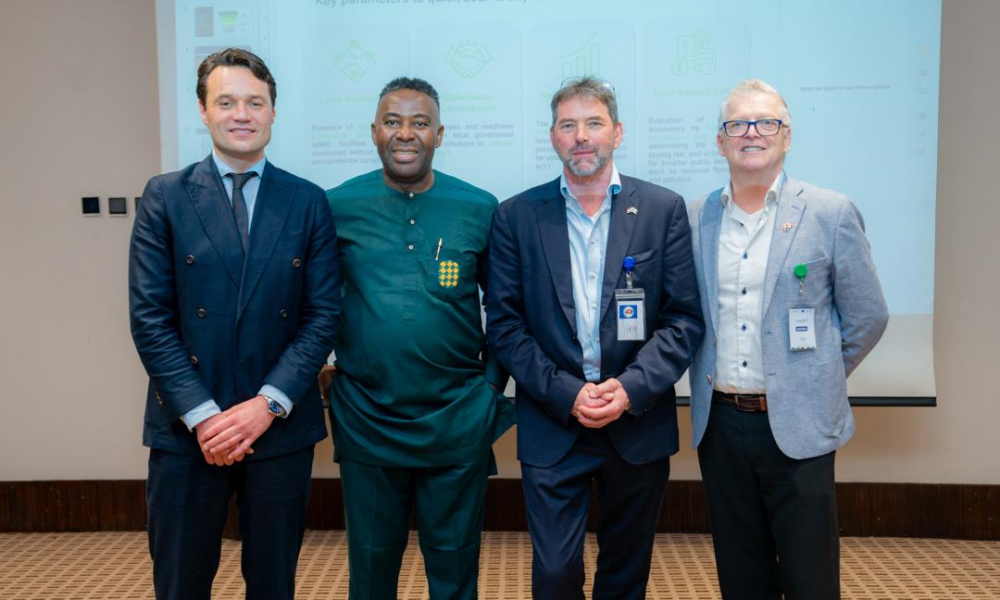
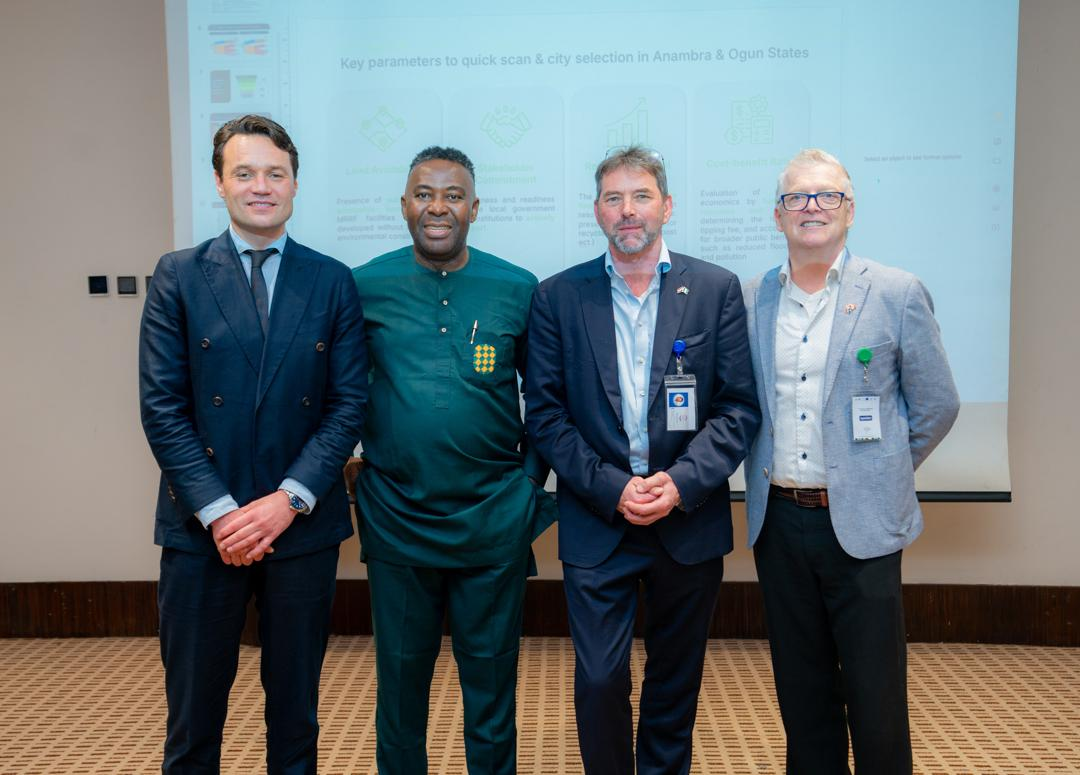
The week-long event, held at Lagos Continental Hotel, brings together local operators, foreign investors, academics, and development partners to explore sustainable solutions for large-scale mixed waste processing in Nigeria.
Niels van den Hoek, Founder and Director of Dutch waste management company SweepSmart, said the session focused on understanding Nigeria’s waste ecosystem and identifying opportunities for viable business models.
“Today’s discussions examined the roles of collectors, recyclers, and potential buyers of recycled materials. Converting these opportunities into profitable enterprises is essential for large-scale waste processing,” van den Hoek explained.
He emphasized that while opportunities abound, financial sustainability remains a major challenge. “A smaller-scale facility could generate over 300 jobs and turn mixed waste into valuable products. But scaling operations requires strategically located land and higher tipping fees, which are currently insufficient,” he said.
Van den Hoek painted a stark picture of the country’s waste problem, noting that 70% of waste is uncollected, while most of the remaining 30% ends up in dumpsites, posing environmental hazards. “Proper processing can generate revenue, create jobs, and reduce pollution. Without it, Nigeria risks being overwhelmed by waste,” he added.
SweepSmart is raising funds to carry out a detailed feasibility study expected to be completed within a year, with operations potentially starting within two years depending on investor support.
Dr Abdul-Ganiyu Adelopo, an environmental chemist, highlighted the potential of advanced material recovery systems that convert household waste into energy, compost, biogas, and black soldier fly protein, each forming viable business models.
He stressed the importance of a stable policy environment for attracting investment. “Without government support and consistent policies, particularly on tariffs and tipping fees, circular economy projects cannot thrive. Both government and producers must ensure an enabling environment for these initiatives,” he said.
On the local front, Obuesi Phillips, President of the SWEEP Foundation, outlined plans for a large-scale mixed waste processing facility in Ogun State, capable of handling over 300 tonnes daily. The project aims to transform waste into energy, recyclables, compost, and protein, generating financial, environmental, and social benefits.
Phillips acknowledged operational challenges such as inconsistent electricity and logistical bottlenecks but expressed optimism about overcoming them. He also called on the government to broaden waste management frameworks, increase funding, and provide oversight to private operators.
Stakeholders concluded that turning Nigeria’s mounting waste crisis into a profitable and sustainable industry will require technology, innovation, strong public-private partnerships, consistent policies, and committed investment.