Politics
As Buni Nears Exit, Succession Politics Gather Momentum in Yobe

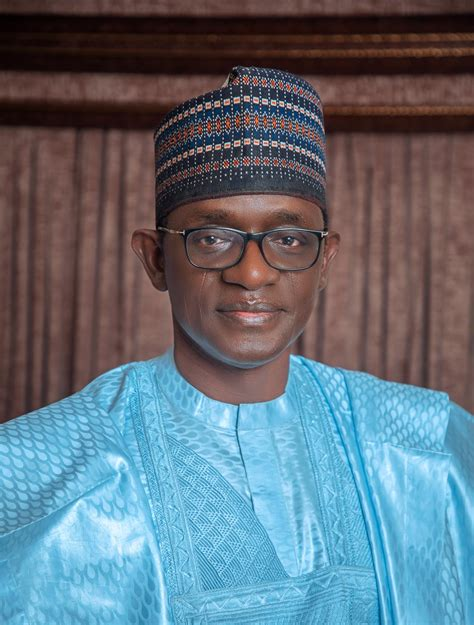
With less than a year to the 2027 governorship election, political calculations are quietly intensifying in Yobe State as Governor Mai Mala Buni approaches the end of his second and final term in office.
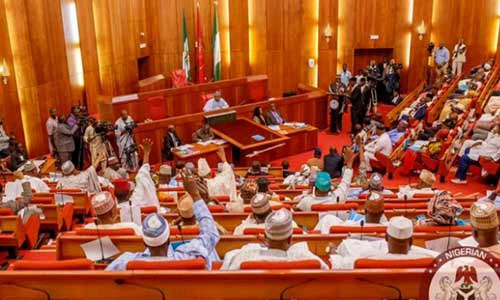
Although the contest has not yet moved into the open, consultations, alignments and behind-the-scenes negotiations are increasingly shaping the political landscape, particularly within the ruling All Progressives Congress, which has governed the state since the return to democratic rule in 1999.
Unlike states where succession battles have become public and contentious, political manoeuvring in Yobe has remained largely discreet. Political actors across the state are said to be positioning themselves cautiously, reflecting a long-standing culture of quiet consultations rather than early declarations.
Governor Buni, sworn in for a second term in May 2023, is constitutionally barred from seeking re-election. His impending exit has triggered conversations across the three senatorial districts—Yobe North, Yobe East and Yobe South—especially around issues of balance, inclusion and party cohesion.
A political analyst, Abdulwahab Garba Kuciciya, said succession discussions were underway but deliberately restrained.
According to him, aspirants in the state typically avoid public ambition at this stage, preferring private engagements with party elders, traditional leaders and influential stakeholders. He noted that what appears to be calm on the surface often conceals intense internal calculations.
He added that premature public campaigns are generally frowned upon in Yobe, where respect for party structures and traditional authority remains influential.
Although no formal declarations have been made, names frequently mentioned in political circles include former Senate President Ahmad Lawan; Senator Ibrahim Bomai of Yobe South; and Senator Musa Kulas of Yobe East.
Party sources say Kulas is viewed by some stakeholders as close to the current administration, though no endorsement has been announced. Observers caution that such perceptions remain fluid as the process evolves.
Other figures whose names have surfaced in succession discussions include the Secretary to the State Government, Baba Wali; FCT Mandate Secretary for Youths and Social Development, Lawan Geidam; former Minister of Power, Abubakar Aliyu; Mohammed Geidam; and lawyer-diplomat Kashim Tumsah.
Another analyst, Ibrahim Isa, said succession politics in Yobe is shaped more by internal consensus-building than early public campaigning.
He explained that success often depends on relationship management within party structures, traditional institutions and community leadership, adding that early missteps can have lasting consequences.
Some former officials and political elders are also said to be playing advisory roles behind the scenes, mediating among aspirants and party leaders in a bid to preserve stability.
An APC member, Abdulrahman Sadiq, said experience in governance often shapes political influence in the state, even when ambitions are not openly declared.
According to him, political influence in Yobe is often subtle, exercised through advice and quiet engagement rather than public posturing.
Kashim Tumsah has attracted attention following reports that some youth and women’s groups have encouraged him to contest. Sources say he has held consultations with stakeholders but has not publicly declared interest.
Civil society voices say public interest in succession discussions is growing, driven by concerns around development, security and economic opportunities.
Zoning has also resurfaced as a key issue. Some stakeholders argue that Yobe East has retained power since 2009, following the death of former Governor Mamman B. Ali from Yobe South, strengthening calls for rotation in the interest of equity and balance.
Advocates of this view say zoning, though informal, continues to shape political expectations and may be central to maintaining party unity ahead of 2027.
Another question attracting attention is whether Governor Buni will openly back a successor. Sources close to the administration say no endorsement has been made, as the governor remains focused on completing his tenure while maintaining party cohesion.
Political observers believe the contest will largely be settled within the APC, given its dominance in the state. However, opposition parties are said to be monitoring developments and exploring potential opportunities.
Despite the outward calm, consultations and negotiations are ongoing across the state, with discussions taking place quietly in homes, community centres and party offices.