
Features
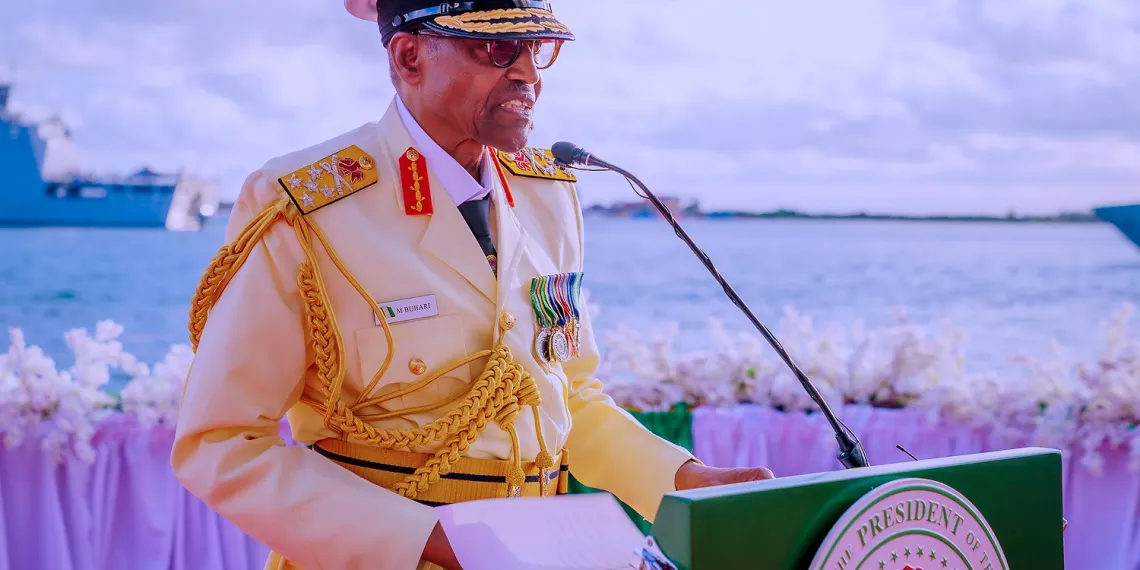
Muhammadu Buhari (1942–2025): A Legacy Etched in Discipline, Duty, and Nationhood

From Daura to the World Stage: The Journey of a Soldier-Statesman
Nigeria mourns the passing of one of its most influential leaders. Former President Muhammadu Buhari died at the age of 82 in London, where he had been receiving treatment for an undisclosed illness. His death, announced by the Presidency on Saturday, July 13, 2025, marks the end of a remarkable era that straddled both military rule and democratic governance.
President Bola Ahmed Tinubu paid tribute to his predecessor, calling him “a patriot who dedicated his entire life to the service of Nigeria.” Across the nation and beyond, tributes poured in for a leader admired for his simplicity, integrity, and lifelong devotion to public service.
Humble Beginnings in Daura: Where Discipline Took Root
Born on December 17, 1942, in the ancient town of Daura, Katsina State, Muhammadu Buhari grew up in a modest Fulani household. Early life instilled in him the core values of discipline, humility, and hard work—virtues that would define his career and leadership style.
He joined the Nigerian Army as a teenager and quickly distinguished himself through professionalism and commitment. Trained in Nigeria, India, and the United Kingdom, Buhari became known as a no-nonsense officer—honest, tough, and uncompromising in principle.
The Soldier in Charge: Nigeria’s Military Ruler (1983–1985)
“War Against Indiscipline”: When Leadership Met Morality
In 1983, Buhari emerged as Nigeria’s Head of State after a military coup ended the Second Republic. Though his rule lasted just 20 months, it remains one of the most talked-about chapters in Nigeria’s political history.
Buhari’s administration introduced the famous War Against Indiscipline (WAI) — a campaign to instill public order, accountability, and national pride. From queues at bus stops to punctuality in offices, Buhari sought to reform not just governance, but Nigerian society itself. He launched efforts to curb corruption, trim government excesses, and build economic resilience.
Though later removed by another military junta in 1985, Buhari’s austere leadership style left an indelible mark on national consciousness.
A Relentless Democrat: From Serial Candidate to Historic Victory
Buhari’s return to civilian politics in the early 2000s showcased his perseverance. After three failed attempts at the presidency (2003, 2007, 2011), he finally triumphed in 2015 under the All Progressives Congress (APC), defeating the incumbent, President Goodluck Jonathan — a first in Nigeria’s democratic history.
His victory was not just a personal milestone but a watershed for African democracy, proving that peaceful transfers of power were possible.
The Buhari Presidency: Reform, Resilience, and Resolve (2015–2023)
Three Pillars: Anti-Corruption, Security, and Infrastructure
Buhari’s administration was defined by a bold three-pronged agenda: fight corruption, strengthen security, and rejuvenate the economy.
- Anti-Corruption: Buhari waged one of the fiercest anti-graft battles since independence. Through the Treasury Single Account (TSA) and IPPIS, his government recovered billions in stolen funds and tightened control over public finances.
- Security: His tenure prioritized the battle against Boko Haram and other extremist threats. Though challenges persisted, significant territories were reclaimed and military morale boosted under his watch.
- Infrastructure Development: Buhari’s government revived Nigeria’s decaying infrastructure. From the Abuja–Kaduna Railway to the Second Niger Bridge, his projects aimed to transform mobility and economic productivity. In agriculture, the Anchor Borrowers’ Programme and Presidential Fertilizer Initiative sought to drive food security and reduce import dependence.
A Quiet Force: The Man Behind the Office
Though stoic and reserved, Buhari’s public image was that of a leader who led by example. Known for his modest lifestyle, personal frugality, and sense of national unity, he famously declared himself “for everybody and for nobody.” His leadership embodied restraint, transparency, and personal discipline—traits uncommon in contemporary politics.
Outside politics, he was a devout Muslim, a family man, and a proud son of Daura. After leaving office in 2023, he returned to his hometown as promised, choosing a quiet life over the glamour of post-presidency influence.
A Nation Reflects, A Legacy Endures
As Nigeria prepares to bury Buhari in Daura with full military honors, the nation reflects on the life of a leader who walked the line between tradition and transformation. While critics point to economic challenges and governance lapses during his presidency, many Nigerians continue to admire his incorruptibility, sense of duty, and consistency in character.
Flags fly at half-mast. A national mourning period has begun. But beyond the ceremonies, the legacy of Muhammadu Buhari lives on — in the institutions he built, the values he championed, and the standards he set.
Final Salute to a Reluctant Hero
Muhammadu Buhari’s journey from soldier to statesman was never about populism or theatrics. It was about principles. For a generation of Nigerians, he was a symbol of order in chaos, of honesty in public life, and of leadership that demanded more from the governed — and from itself.
His passing marks the end of an era — but his ideals may yet inspire the next.
May his soul rest in perfect peace
-
BREAKING: Court grants El-Rufai N100m bail
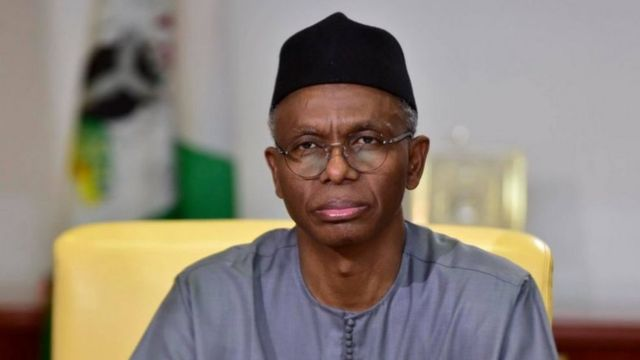
The Federal High Court in Abuja granted bail to former Kaduna State Governor, Nasir El-Rufai, on Monday. The bail was raised up to the sum of N100 million with one surety of like amount. Delivering the ruling, Justice Joyce Abdulmalik stated that the surety must reside in either the Maitama or Asokoro districts of Abuja…
-
2027: We must look beyond tribe, religion – Kwankwaso
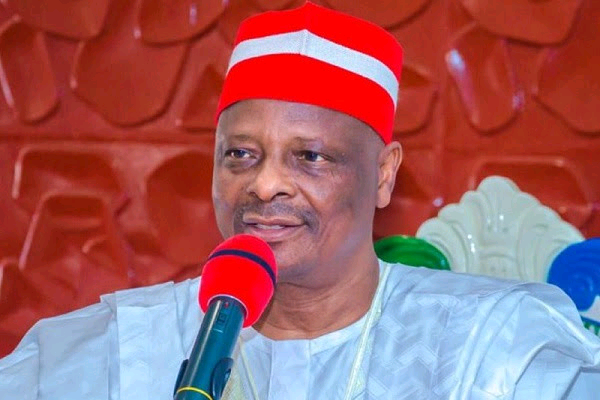
A chieftain of the Nigeria Democratic Congress, NDC, Rabi’u Kwankwaso, has called on Nigerians to look beyond tribe and religion in the next year’s general elections. Kwankwaso made this call on Sunday in an interview with Trust TV while speaking on the 2027 general elections. He said the North and the Muslims cannot play politics without the…
-
Sultan declares Monday as Dhul Hijjah 1, Eid-Al-Adha Wednesday, May 27
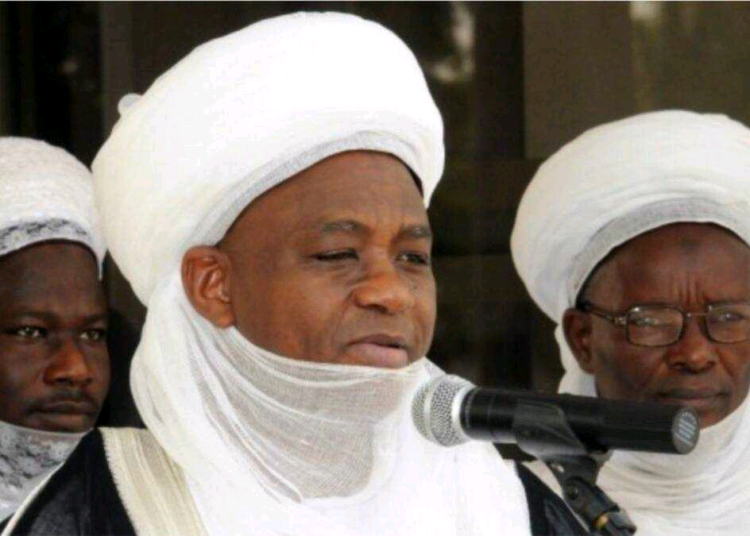
The Sultan of Sokoto and President-General of the Nigeria Supreme Council for Islamic Affairs (NSCIA), His Eminence Muhammad Sa’ad Abubakar III, has declared Monday, May 18, 2026, as the first day of Dhul Hijjah 1447 After Hijrah (AH), following the sighting of the crescent moon. The announcement was conveyed in a statement issued by the…