News
Tinubu approves Ajaokuta free trade zone as Kogi seeks investors

Nigeria’s industrial revival efforts received a boost following the approval of a new free trade zone in Ajaokuta, with Kogi State formally receiving its operating licence for the proposed economic city designed to stimulate manufacturing, mining and export activity.
The initiative, earlier authorised by President Bola Tinubu, covers a vast industrial corridor intended to unlock the long-underutilised steel and solid minerals potential of the region.
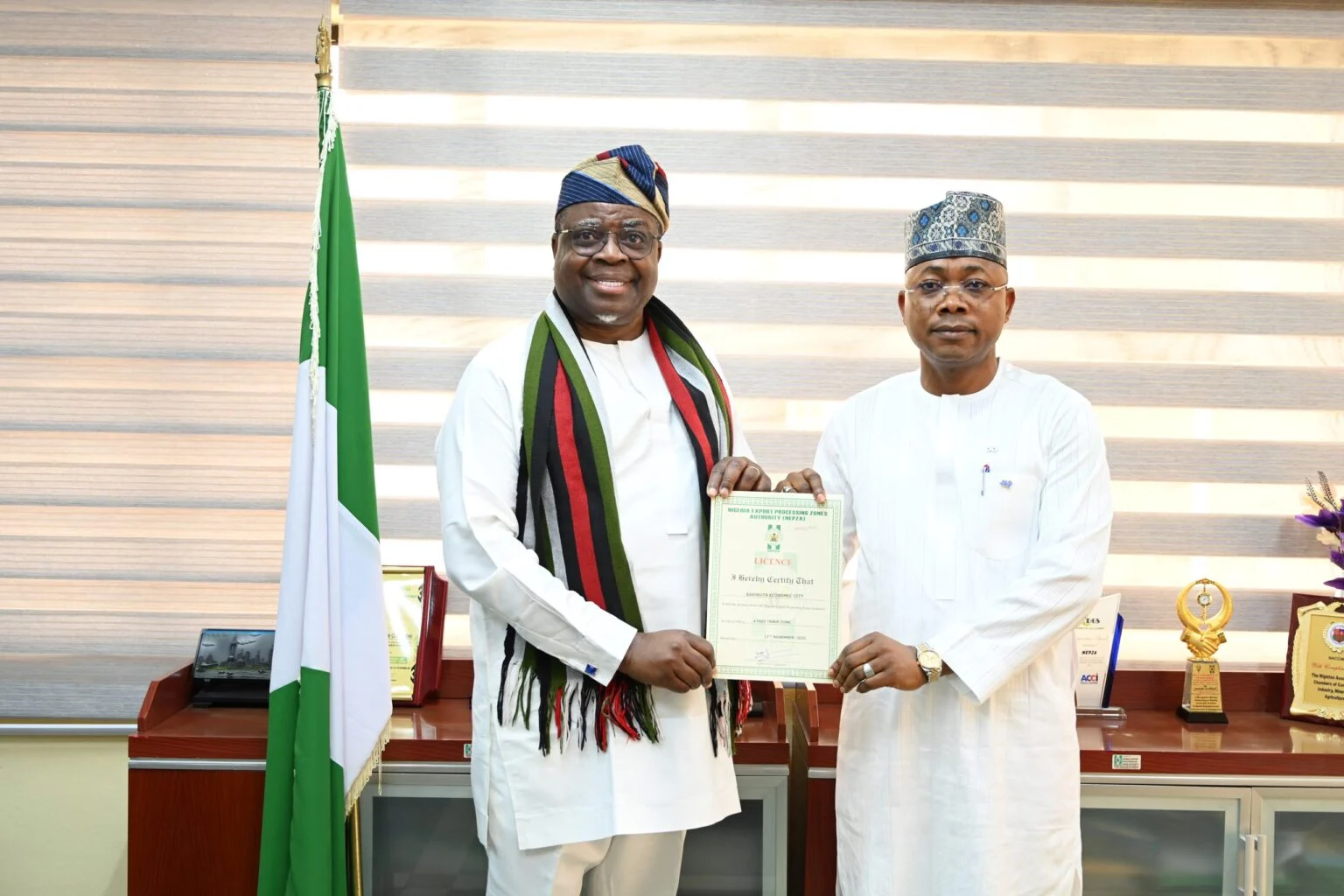
Kogi State Governor Usman Ododo, who received the licence certificate from the Managing Director of the Nigeria Export Processing Zones Authority, Olufemi Ogunyemi, said the state government would immediately begin steps to accelerate development and attract both domestic and foreign investors.
He described the approval as a major turning point for the state’s economic future, noting that the project is expected to reposition Ajaokuta as a strategic industrial hub in West Africa.
According to the governor, Kogi’s geographical location and mineral wealth provide a strong foundation for the zone’s success, pointing out that the state sits close to several commercial centres and possesses numerous solid minerals in commercial quantities.
He said the free trade zone would serve as a catalyst for investment inflows, industrial expansion and job creation, while helping the state tap into resources that have remained largely untapped for decades.
Ododo also expressed optimism about ongoing federal efforts to revive the dormant Ajaokuta Steel Company, noting that renewed investor interest in the facility could align with the free trade zone to create a broader industrial ecosystem.
He added that infrastructure plans are underway to support the economic corridor, including proposals for an international airport intended to leverage the state’s proximity to Abuja and strengthen logistics for trade and investment.
Speaking on the development, the NEPZA leadership said issuing the licence marks only the beginning of the project, stressing that the agency would continue to provide regulatory support and technical guidance to ensure the zone develops successfully.
Officials explained that free trade zones are globally recognised investment tools designed to encourage export-oriented manufacturing, attract capital inflows and create employment through streamlined regulations and incentives.
The Ajaokuta economic city is expected to complement long-standing efforts to revitalise Nigeria’s steel industry by supporting downstream sectors such as fabrication, mining services, manufacturing and logistics.
With the new approval, the number of licensed free trade zones in Nigeria continues to expand, reinforcing government efforts to improve the investment climate, diversify exports and accelerate industrialisation through special economic zones.