News
PRP Calls for Suspension of New Tax Laws over Alleged Alterations

The Peoples Redemption Party (PRP) has called on the Federal Government to suspend the implementation of recently enacted tax reform laws, citing allegations that the version released to the public differs from what was passed by the National Assembly.
In a statement issued in Abuja, the PRP National Chairman, Falalu Bello, expressed concern over claims by a member of the House of Representatives that certain provisions of the tax laws were altered after legislative approval.
The party accused the executive arm of government of undermining constitutional procedures, warning that post-legislative alterations to laws without parliamentary consent amount to a serious breach of democratic norms.
According to the PRP, the allegations suggest a troubling pattern of executive interference that threatens legislative integrity and public trust in governance. The party described the situation as a grave constitutional matter that must be urgently addressed.
The PRP demanded a comprehensive and transparent investigation into the alleged discrepancies, insisting that all individuals found responsible should be held accountable, regardless of their position. The party further stated that if evidence links the President to the alleged alterations, constitutional remedies should be pursued.
It also urged the government to halt the enforcement of the tax laws pending the outcome of investigations, warning that failure to do so could prompt legal action.
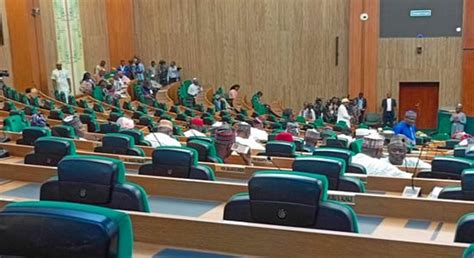
The controversy follows claims by a federal lawmaker from Sokoto State, who alleged that some provisions in the gazetted tax laws were neither debated nor approved by the National Assembly.
The tax reform laws, scheduled to take effect on January 1, 2026, have been described by the government as a major overhaul of Nigeria’s tax system. However, they faced significant opposition during legislative consideration, particularly over concerns about their economic impact and regional implications.
The presidency has rejected allegations of unlawful alterations, maintaining that the reforms will proceed as planned. Meanwhile, the laws have continued to attract criticism from political leaders and stakeholders calling for greater transparency and clarification before implementation.