
News
Iran Vows to Block Gulf Oil Exports Amid Ongoing Conflict

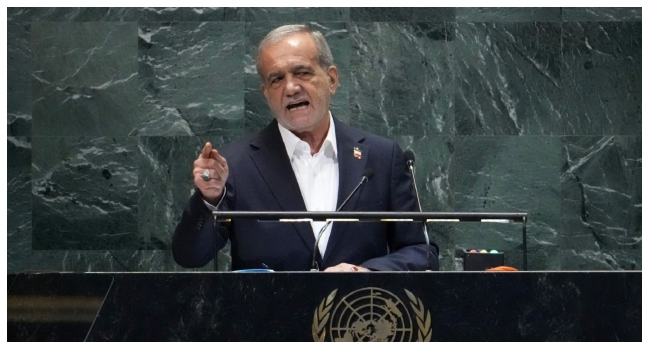
Iran has warned that no oil will be allowed to leave the Gulf while its conflict with the United States and Israel continues, escalating tensions in one of the world’s most important energy corridors.
The Strait of Hormuz, through which nearly 20% of global crude oil typically transits, has become a flashpoint after Iranian attacks on shipping, following US-Israeli strikes that killed its supreme leader. The strikes also targeted oil depots and infrastructure in Saudi Arabia and Bahrain.
In response to escalating conflict, Iranian authorities stated that oil exports to hostile nations would remain blocked “until further notice,” emphasizing that the timing for ending the conflict is determined by Iran.
“We are well prepared to continue attacking with our missiles as long as needed,” said Iranian Foreign Minister Abbas Araghchi.
The situation has sent global oil markets into volatility. European gas prices fell by 15% following US statements suggesting the conflict would soon ease, while Asian and European markets showed signs of recovery. Analysts, however, warned that the region remains highly unstable, with political developments offering little clarity.
Saudi Aramco’s President Amin H. Nasser stressed the critical nature of keeping shipping routes open:
“There would be catastrophic consequences for the world’s oil markets the longer the disruption goes on, and the more drastic the consequences for the global economy. It is absolutely critical that shipping resumes in the Strait of Hormuz.”
Several nations have taken protective measures. Egypt raised fuel prices by up to 30%, Pakistan announced naval escorts for commercial shipping, France dispatched warships to the region, and Turkey deployed a Patriot air defense system after intercepting ballistic missiles in its airspace.
US and Israeli officials have also signaled a continued military response. Former US President Donald Trump warned that further interference with oil exports could provoke “unprecedented” military action, while Israeli Prime Minister Benjamin Netanyahu stated that efforts would continue to counter Iranian influence and support the Iranian people in overthrowing their government.
Experts describe the current market conditions as extremely volatile, with prices briefly surging past $100 per barrel and spiking 30% during the height of the crisis.
“Markets are reacting strongly to every update, and while there was some optimism following US statements, the conflict continues at full speed,” said Ipek Ozkardeskaya, analyst at Swissquote Bank.
France and its allies have announced plans for a defensive mission to escort commercial vessels through the Strait of Hormuz once the most acute phase of the conflict subsides, aiming to stabilize international oil flows.
The situation highlights the growing risks for global energy security and the need for coordinated international measures to protect shipping and prevent further disruption to the world’s oil supply.