News
Hybrid Result Transmission Designed to Protect Voters, Says Abbas


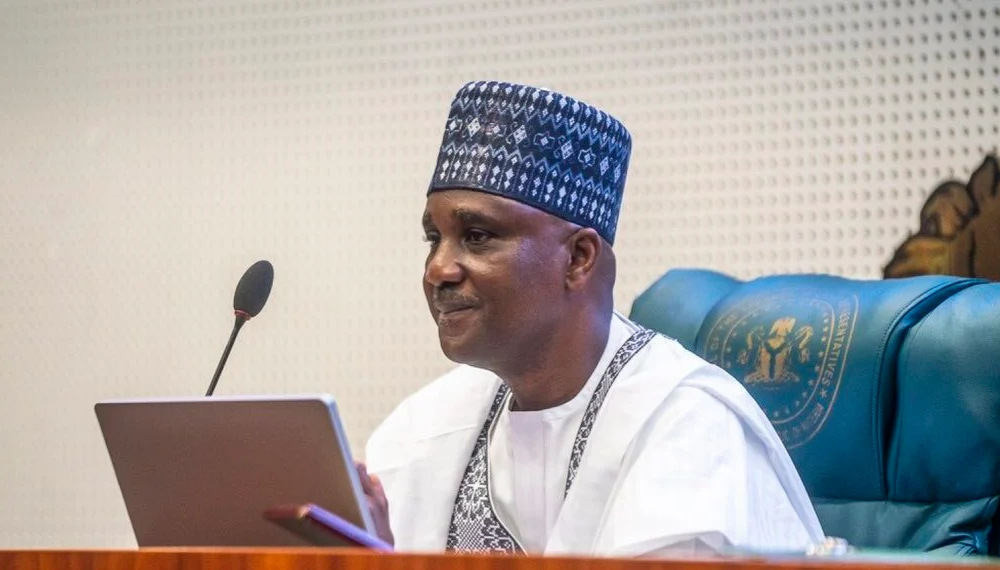
Speaker of the House of Representatives, Tajudeen Abbas, has said the National Assembly approved a combination of electronic and manual transmission of election results in order to prevent voter exclusion and strengthen participation ahead of the 2027 general elections.
He explained that Nigeria’s infrastructure realities — including inconsistent electricity supply and gaps in internet coverage — make it difficult to depend entirely on real-time electronic transmission nationwide. According to him, a flexible system that allows both methods ensures that elections can proceed smoothly regardless of local technological limitations.
Abbas noted that electronic transmission will be used wherever it is feasible, while manual procedures will serve as a fallback in areas lacking reliable connectivity. He argued that this approach is necessary to avoid a situation in which millions of voters could be denied participation due to network or power failures.
The Speaker also pointed to persistent voter apathy, observing that turnout in previous elections has been relatively low. He warned that insisting on a purely electronic process could further discourage participation in communities without adequate digital infrastructure.
He made the remarks while receiving Spain’s ambassador to Nigeria, Felix Costales, during a visit focused on strengthening legislative cooperation and democratic governance. Abbas expressed optimism that ongoing engagement with electoral authorities would help deliver more credible and inclusive elections in 2027.
President Bola Tinubu recently signed the amended Electoral Act, which formally recognises both electronic and manual result transmission depending on operational feasibility. The reform continues to generate debate, with supporters viewing it as pragmatic and critics warning it could weaken transparency if not carefully monitored.