News
Japan Suspends Restart of World’s Largest Nuclear Power Plant

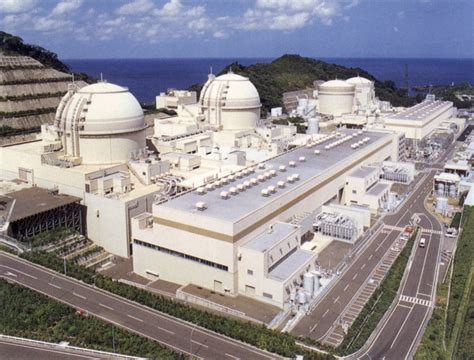
Japan has suspended the restart of the world’s largest nuclear power plant after a technical alarm was triggered during startup procedures, raising fresh questions about the facility’s readiness amid lingering public safety concerns.
The Kashiwazaki-Kariwa nuclear power station in Niigata Prefecture had remained offline since the Fukushima nuclear disaster, but initial steps to resume operations had begun after receiving regulatory clearance. The process was halted when an alarm from the plant’s monitoring system sounded during reactor startup.
The operator, Tokyo Electric Power Company (TEPCO), said the issue involved electrical equipment and would require further investigation. Plant officials noted that the problem could not be resolved quickly, with no clear timeline for when operations might resume.
According to TEPCO, the reactor was placed in a stable condition after control rods were reinserted as a precautionary measure. The company stressed that there was no radioactive impact outside the facility.
Control rods are a key safety mechanism used to regulate nuclear reactions within a reactor. By inserting them deeper into the reactor core, operators can slow or completely halt nuclear activity.
The restart had already faced delays after a separate technical issue related to the removal of control rods was identified and resolved earlier. Only one of the plant’s seven reactors was scheduled to return to operation in the current phase.
Kashiwazaki-Kariwa is the world’s largest nuclear power station by potential generating capacity. It was shut down when Japan suspended nuclear operations nationwide following the earthquake and tsunami that triggered reactor meltdowns at the Fukushima Daiichi plant.
Japan has since moved to revive nuclear power as part of efforts to reduce dependence on fossil fuels, meet long-term carbon neutrality goals, and address rising energy demand linked to technological growth, including artificial intelligence.
The plant’s return, however, remains controversial among local residents. Surveys indicate that a majority of people in Niigata oppose the restart, citing safety risks and seismic concerns, while a smaller proportion supports it for economic and energy security reasons.
Local opposition groups argue that the plant sits near an active fault line and point to past earthquake damage as evidence of ongoing risk. Recently, several civic groups submitted a petition with tens of thousands of signatures urging regulators and the operator to halt the restart.
Kashiwazaki-Kariwa would be the first nuclear unit operated by TEPCO to resume operations since the Fukushima crisis. The company continues decommissioning work at the damaged Fukushima Daiichi facility.